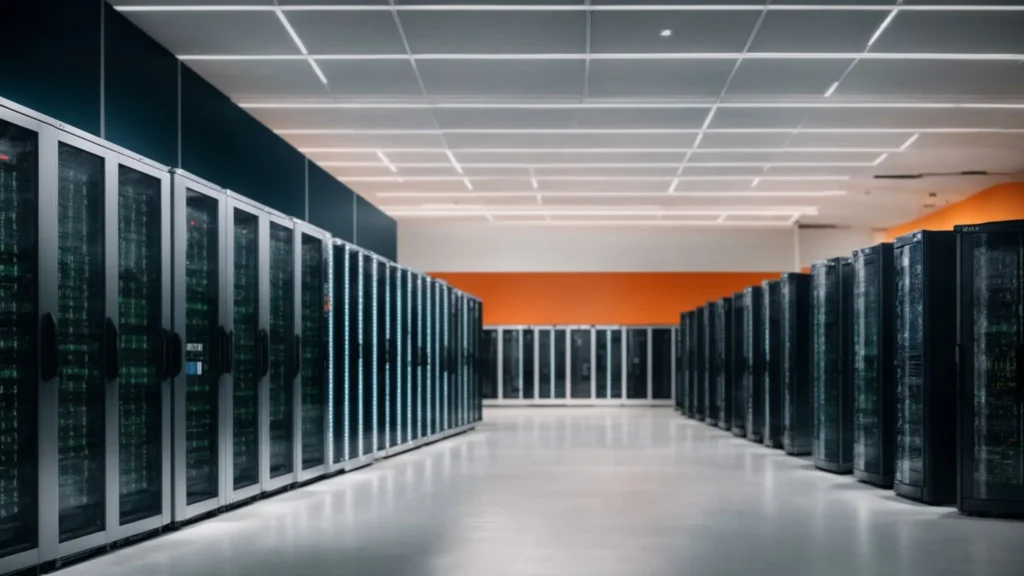
Choosing the Right Storage Solutions for AI: A Comprehensive Guide
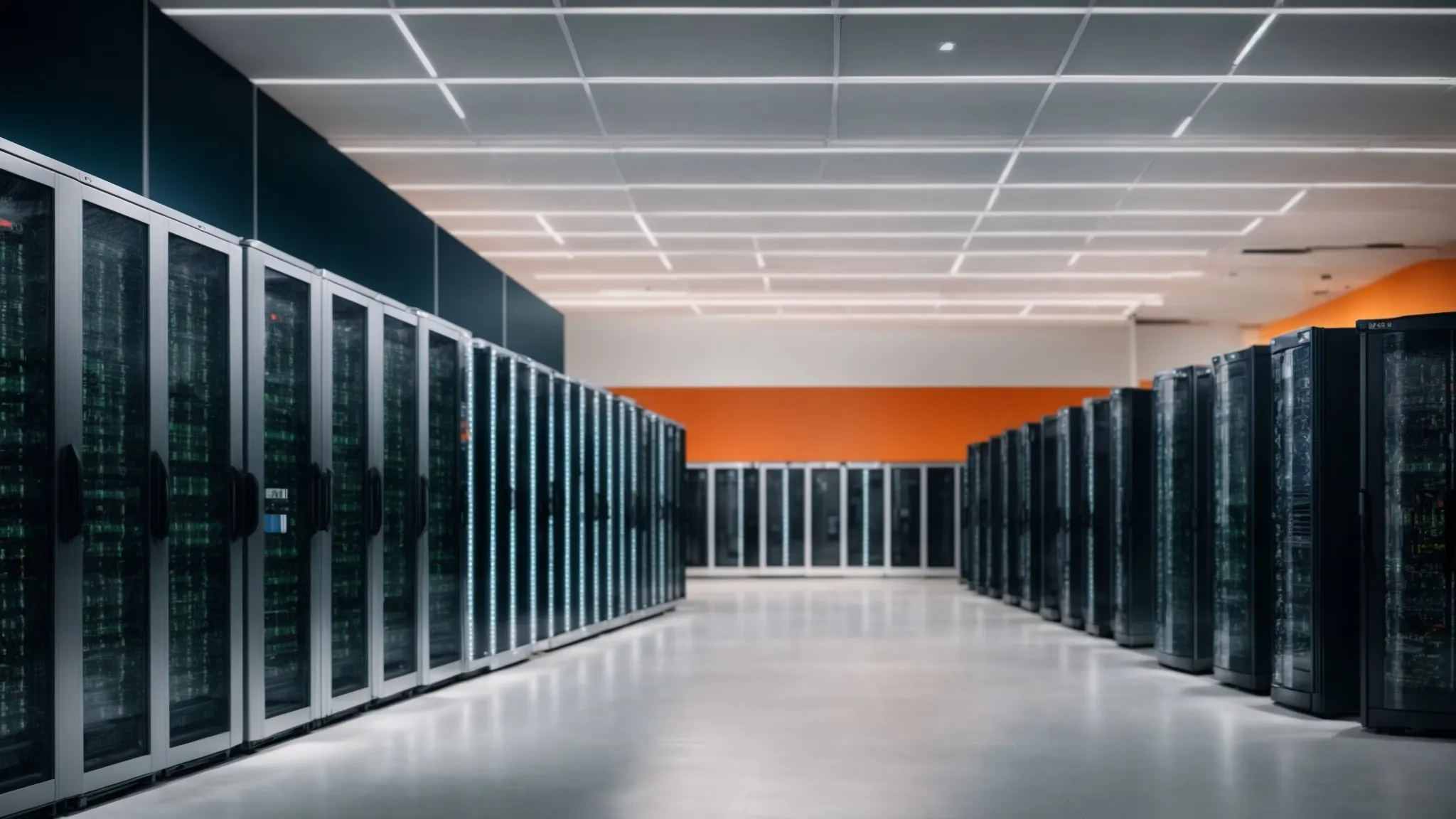
Choosing the Right Storage Solutions for AI: A Comprehensive Guide
The burgeoning realm of artificial intelligence (AI) demands robust infrastructure to train sophisticated models and to process, store, and retrieve vast amounts of data efficiently. Storage solutions have thus become a pivotal element of the AI ecosystem, greatly affecting model performance and speed of insight generation. But with an array of storage options available, it’s imperative to choose the right systems tailored to specific AI applications. Sorting through the nuances of AI storage solutions requires understanding the unique demands of AI workloads, evaluating performance requirements, and ensuring scalability and security compliance. Keep reading to delve into the essential aspects of AI storage solutions and how to select the optimal system for your AI initiatives.
Understanding the Role of Storage in AI Workloads
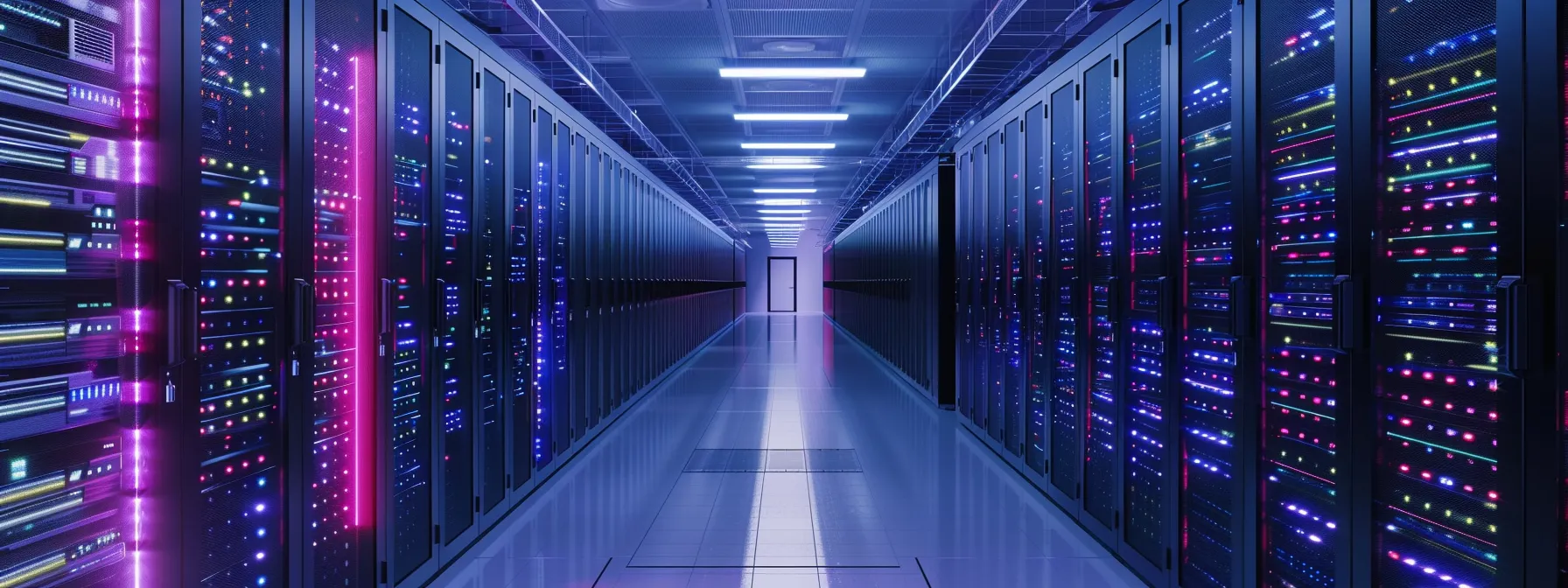
Storage for artificial intelligence is essential in powering data-heavy processes, especially during model training, where fast access to massive datasets is critical. These systems must deliver high throughput and handle multiple users without lag, all while managing unpredictable access patterns and diverse, unstructured data formats.
AI and machine learning workloads are highly iterative, requiring storage that supports quick data retrieval, updates, and seamless integration with various AI tools. To keep pace with the demands of modern AI development, storage must be versatile, low-latency, and fully compatible with the entire AI software ecosystem.
Evaluating Performance Requirements for AI Storage Systems
Evaluating AI storage performance involves several critical metrics. Throughput measures how much data can be processed in a given time, directly impacting the speed and efficiency of training jobs. Latency affects how quickly data reaches compute nodes, which is vital for real-time responsiveness during iterative model training.
IOPS, or Input/Output Operations Per Second, reflects how well the system handles frequent read and write tasks, making it essential for dynamic AI workloads. Performance consistency ensures smooth operation during fluctuating demand, as AI projects often experience varying workload intensities. A system that maintains stable performance under changing conditions supports efficient training and avoids disruptions in the development cycle.
The Importance of Scalability and Flexibility in AI Storage
Scalability is essential in AI storage due to the rapid expansion of data and evolving model complexity. Storage systems must grow in capacity and performance without disrupting operations. Flexible storage solutions accommodate diverse data types and adapt to new tools and technologies used throughout AI project lifecycles. This adaptability supports seamless integration and ongoing relevance.
Agility in scaling and adapting also leads to cost-effective strategies, allowing organizations to expand storage as needed and avoid overprovisioning. This is especially valuable for startups or projects with variable demands. A well-designed system also supports a range of workloads, including machine learning, analytics, and simulations, without moving data between incompatible systems.
Security and Compliance Considerations for AI Data Storage

AI storage systems must prioritize strong security due to the sensitive nature of the data involved. Essential measures include encryption during both storage and transmission, strict access controls, and protection from evolving cyber threats. Regulatory compliance with laws like GDPR, HIPAA, and CCPA is critical to avoid legal issues and preserve stakeholder trust.
Detailed audit trails and governance tools are necessary to ensure accountability and data integrity, especially for tracing access and modifications. Long-term data retention and immutability are also vital, as AI projects often span extended periods. Preventing accidental deletions or changes helps maintain reliable outcomes and supports sustained research or compliance requirements.
Comparing On-Premises vs. Cloud Storage Solutions for AI
Choosing between on-premises and cloud storage for AI impacts operational capacity and flexibility. On-premises storage provides direct control, allowing for tailored configurations and enhanced data security, which is crucial for sensitive industries. Cloud storage offers scalability, remote access, and often includes integrated AI and analytics tools, making it attractive for organizations seeking advanced capabilities without large infrastructure investments.
Hybrid models combine both approaches, offering control and security alongside cloud flexibility and scalability. Financially, on-premises setups involve higher upfront costs but stable operating expenses, while cloud solutions operate on a usage-based model. This can optimize spending but requires active cost monitoring to avoid unexpected expenses.
Overall, selecting the ideal storage solution for AI involves a nuanced consideration of performance, scalability, security, and compliance, along with a careful assessment of the specific needs dictated by the organization’s AI initiatives. In navigating this complex landscape, organizations must balance immediate requirements with long-term strategic goals to ensure that their chosen storage systems will continue to support and enhance their AI endeavors into the future.